
Unraveling the intriguing history of casinos From ancient gaming roots to modern entertainment hubs
Unraveling the intriguing history of casinos From ancient gaming roots to modern entertainment hubs
Origins of Gaming: Ancient Civilizations
The history of casinos is deeply intertwined with the origins of gaming itself, stretching back to ancient civilizations. Archaeological evidence suggests that games of chance have been played for thousands of years, with dice dating back to around 3000 BC in Mesopotamia. Cultures such as the Chinese, Egyptians, and Romans all had their variations of gambling, often integrating it into religious and social practices. These early forms of gambling paved the way for modern gaming by establishing a connection between luck and fortune. Today, many players turn to platforms like Aztec Paradise Casino, which offers a convenient and exciting way to experience these integrated forms of entertainment.
In ancient China, for example, gambling was not only a pastime but also a means of divination and social interaction. The Chinese book “Book of Songs,” which dates back to 1000 BC, references various games of chance. Similarly, the Romans engaged in gambling during festivals and used it as a way to socialize among the elite. These practices laid the groundwork for the gambling establishments that would emerge later in history, illustrating how deeply embedded gambling is in human culture.
As civilizations evolved, so did the complexity of their games. The introduction of cards in the 9th century, believed to have originated from China, revolutionized gaming. This innovation spread throughout Asia and eventually made its way to Europe. By the time casinos began to emerge in the 17th century, the foundations for various gaming forms had been firmly established, making it clear that gaming had evolved far beyond mere chance to involve strategy, skill, and social engagement.
The Birth of Modern Casinos in Europe
The establishment of modern casinos can be traced back to the 17th century in Europe, particularly with the opening of the Casino di Venezia in Italy in 1638. These venues catered to the upper classes, offering not only games but also a luxurious environment for socializing. The term “casino,” derived from the Italian word for “little house,” reflected the intimate settings where individuals could gather to enjoy games like baccarat and roulette. These establishments set the standard for what we now recognize as casinos.
During this period, the popularity of gambling grew exponentially, leading to the opening of other iconic casinos across Europe. The Monte Carlo Casino, established in 1863, became a symbol of glamour and wealth, attracting high-profile gamblers and tourists alike. This era was characterized by the establishment of house rules and gaming regulations, which created an organized environment for gamblers, a significant evolution from the chaotic gambling of previous centuries.
The rise of casinos during this time was not just about gaming; it was also about the experience. The luxurious interiors, lavish entertainment, and fine dining options transformed casinos into entertainment hubs. This model of offering a full-fledged experience would become a blueprint for casinos worldwide, melding gaming with hospitality to create an inviting atmosphere for patrons.
Casino Expansion and Regulation in the 20th Century
The 20th century saw a remarkable expansion of casinos, particularly in the United States. Las Vegas emerged as the heart of this gambling boom, with the opening of the Flamingo Hotel and Casino in 1946 marking a turning point. Las Vegas quickly transformed from a desolate desert town into a vibrant entertainment capital, attracting millions of visitors each year. The allure of quick wealth and excitement led to a proliferation of casinos, each striving to outdo the others in luxury and offerings.
However, the rapid growth of casinos also brought about the need for regulation. Governments began to recognize the potential economic benefits of legalized gambling but understood that it had to be controlled to prevent corruption and crime. The introduction of laws governing casino operations led to the establishment of regulatory bodies, ensuring fair play and responsible gambling practices. This shift was crucial in legitimizing the gambling industry, reassuring the public about the integrity of these establishments.
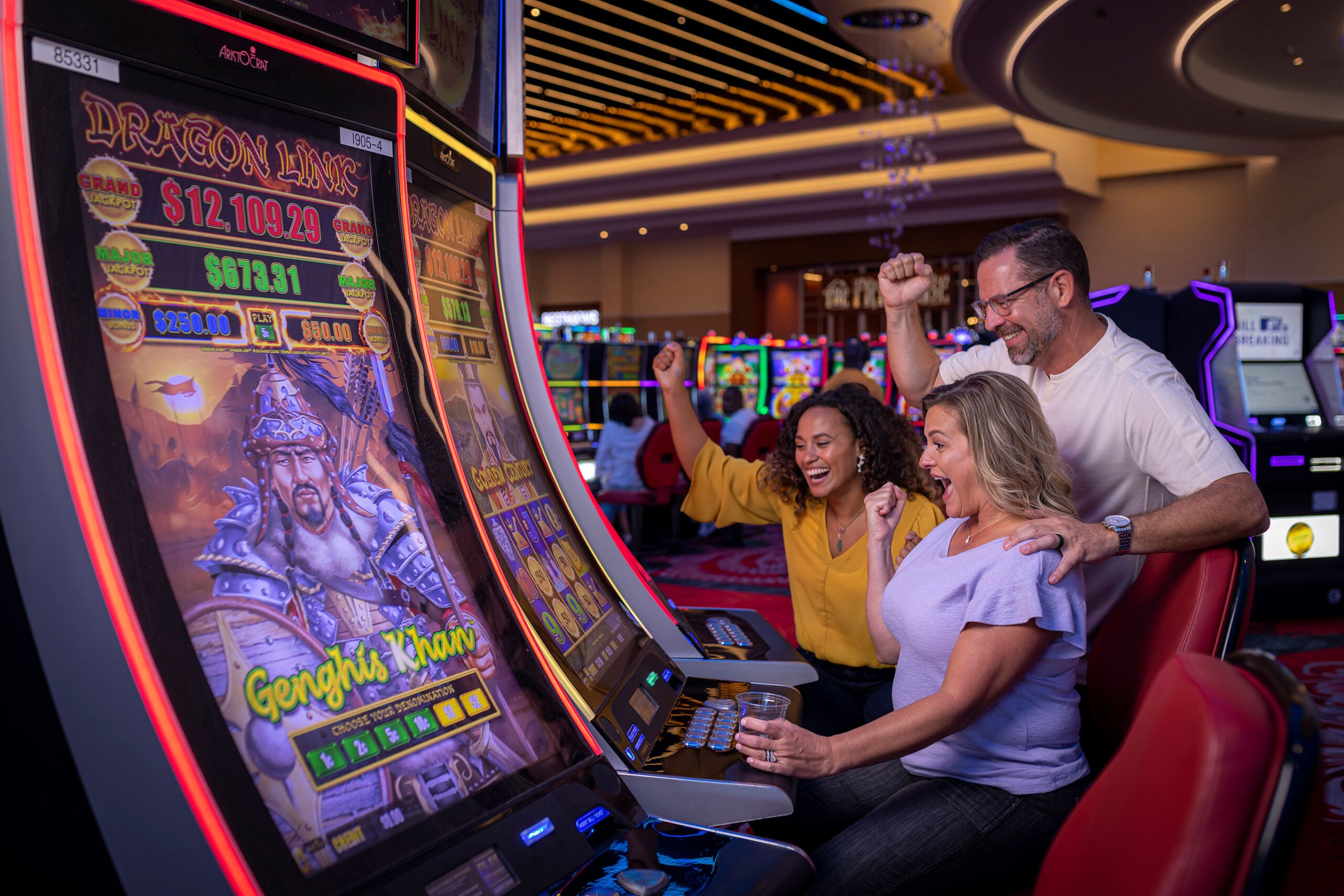
As casinos flourished, so did the variety of games offered. The 20th century introduced innovative gaming options, such as slot machines, which became incredibly popular due to their simplicity and potential for large payouts. This diversification of games catered to different types of players, making casinos accessible to a wider audience and solidifying their place in popular culture.
The Digital Revolution: Online Casinos
The advent of the internet brought a seismic shift in the gambling landscape, leading to the emergence of online casinos in the late 1990s. This new platform offered players the convenience of gambling from home, eliminating the need to travel to physical casinos. Online casinos quickly gained popularity, allowing players to access a vast array of games, including slots, poker, and live dealer options, all with just a few clicks. The digital format not only increased accessibility but also enhanced the gaming experience through innovative technologies.
As online casinos proliferated, they implemented sophisticated security measures to ensure the safety of players. Encryption technology and secure payment methods fostered trust, encouraging more people to explore online gambling. Moreover, many online casinos introduced enticing bonuses and promotions, further attracting new players and enhancing user engagement. This competitive environment encouraged continuous innovation, resulting in a richer gaming experience than ever before.
The rise of mobile technology has further transformed online gambling, allowing players to enjoy their favorite games on smartphones and tablets. This shift to mobile gaming has made gambling even more accessible, as players can gamble anytime, anywhere. The integration of social features and live dealer games has brought the social aspect of casinos to the digital realm, creating a sense of community among players despite the physical distance.

Exploring Aztec Paradise Casino: A Modern Gaming Hub
Amidst the evolution of gambling, Aztec Paradise Casino stands out as a premier online gaming destination for players in the UK. Offering an extensive library of over 8,000 games, the casino provides a diverse range of options, including slots, live dealer games, and traditional table games. This vast selection ensures that players of all preferences can find their ideal gaming experience, whether they seek the excitement of chance or the challenge of skill-based games.
New players are warmly welcomed with an impressive bonus of up to £5,000 and 100 free spins, allowing them to explore the casino’s offerings without significant upfront investment. This welcoming approach reflects Aztec Paradise’s commitment to providing a fair and thrilling gaming environment. The integration of various payment methods, including cryptocurrencies, ensures that transactions are quick and secure, enhancing the overall user experience.
Aztec Paradise Casino embodies the modern evolution of gaming, merging traditional elements of casinos with cutting-edge technology. By focusing on player satisfaction and providing an array of gaming options, Aztec Paradise has positioned itself as a leading online casino that caters to the preferences of contemporary players, setting a new standard in the online gaming industry.
